If you’ve been exploring the world of independent Swiss watchmaking, you’ve probably come across the name Kubik Geneve at some point. It’s not a brand that shouts for attention, but once you notice it, you can’t look away. Founded in Geneva with a clear design philosophy, Kubik takes the concept of a watch and strips it down to something almost architectural — cube-inspired, minimalist, and deeply intentional.
This isn’t just another dress watch brand. It’s a statement about what a timepiece can look like when the designer refuses to follow convention.
The Design Philosophy Behind Kubik Geneve
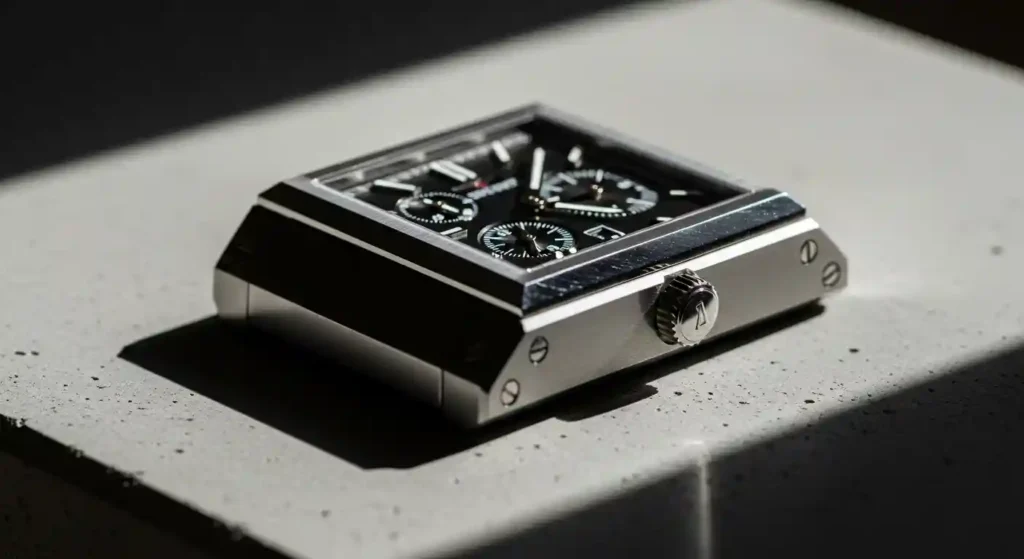
The name says it all. “Kubik” draws directly from the cube — and that geometric influence runs through everything the brand produces. The cases are angular. The dials are clean. The overall aesthetic leans toward Bauhaus principles, where form and function share equal weight.
What’s interesting is that Kubik doesn’t just use the cube as a gimmick. The proportions, the lugs, even the crown placement — everything reflects a deliberate structural logic. Wear one on your wrist and it doesn’t feel like you’re wearing jewelry. It feels like you’re wearing a small piece of architecture.
How the Case Design Sets It Apart
Most Swiss watches rely on round or cushion-shaped cases. Kubik went the other direction. Their cases present sharp lines and right angles without sacrificing wearability. That balance is surprisingly hard to pull off — aggressive geometry often results in uncomfortable wrist presence, but Kubik manages to keep things proportionate.
The finishing also deserves mention. You’ll find a mix of brushed and polished surfaces that highlight the geometry rather than hide it. It’s the kind of detail that shows up clearly in person and in photographs alike.
The Importance of Early Training for New Pets
Movement and Swiss Credibility
Being Geneva-based isn’t just a marketing claim — it carries real weight in the watch world. Kubik houses Swiss movements inside those geometric cases, maintaining the mechanical credibility expected at this price and positioning tier. The brand doesn’t manufacture its own movements in-house, but the curation and regulation of those movements aligns with Geneva watchmaking standards.
For collectors who care about what’s beating inside the case, this matters. A beautiful exterior without a reliable movement is just an accessory. Kubik doesn’t cut corners here.
Who Is Kubik Geneve Actually For?
This is a fair question, because the brand occupies a specific niche. It’s not trying to compete with Rolex or Patek Philippe on legacy and heritage. Instead, it targets a buyer who:
- Wants something visually distinct from mainstream Swiss brands
- Appreciates clean, modern design over ornate traditional watchmaking
- Values independent brands that operate outside the big conglomerates
- Is comfortable paying a premium for considered design choices
If you’re the type who researches furniture designers and reads architecture magazines, Kubik will probably speak to you immediately.
Pros and Cons of Kubik Geneve
Before committing to any independent watch brand, it helps to weigh both sides honestly.
Pros:
- Genuinely unique aesthetic that stands apart on the wrist
- Strong design consistency across the collection
- Geneva-based with credible Swiss movement sourcing
- Appeals to design-forward collectors who want something conversation-worthy
- Limited production gives each piece a sense of exclusivity
Cons:
- Lower brand recognition compared to established Swiss houses
- Resale value is less predictable than mainstream luxury brands
- The angular design won’t suit everyone’s taste or wrist shape
- Availability can be limited depending on region
- After-sales service networks may be narrower than larger brands
Common Mistakes When Buying Independent Swiss Watches
Whether Kubik is your first independent watch purchase or one of many, certain mistakes come up repeatedly in this space.
Buying purely on aesthetics without researching the movement. A striking case means nothing if the movement inside has reliability issues. Always check what caliber is used and who regulates it.
Ignoring wrist size compatibility. Geometric watches can look very different on paper versus on an actual wrist. A case that photographs beautifully might wear awkwardly depending on your wrist width and lug-to-lug measurement. If possible, try it on before buying.
Skipping authorized dealers. Independent brands sometimes attract gray market activity. Buying through unauthorized channels can void warranty coverage and make service harder down the line.
Overlooking total cost of ownership. Service intervals, spare parts availability, and the brand’s long-term stability all affect what you’ll spend beyond the initial purchase.
Chasing rarity without considering liquidity. If you ever need to sell, niche independent watches take longer to find buyers. That’s not necessarily a dealbreaker, but it’s worth factoring into your decision.
Best Practices for Collecting Independent Watch Brands
If you’re serious about adding a Kubik or any boutique Swiss brand to your collection, these practices will serve you well.
Do your research before the purchase. Read independent reviews, watch forums, and collector communities. Real-world feedback from actual owners beats any marketing material.
Buy what you’ll actually wear. It sounds obvious, but collector logic sometimes pushes people toward pieces they admire conceptually but never reach for in daily life. A watch that sits in a drawer loses its value — financially and personally.
Connect with the brand directly. Smaller independent houses often have direct lines to their teams. Asking questions before you buy tells you a lot about how they operate and how they’ll treat you post-purchase.
Understand the warranty terms. Know the length of coverage, what it includes, and who handles service. For a Geneva-based brand, check whether local service centers exist in your country.
Document everything at purchase. Keep your receipt, box, papers, and any correspondence. This protects resale value and simplifies warranty claims.
Conclusion
Kubik Geneve is the kind of brand that rewards curiosity. It doesn’t have the century-old history of some Swiss houses, but it brings something those houses often can’t offer — a clean, uncompromising design vision that doesn’t borrow from tradition just because tradition is safe.
If you’re drawn to geometric minimalism, appreciate Swiss mechanical credibility, and want a watch that starts conversations without needing a famous logo to do the talking, Kubik deserves serious consideration. Just go in with clear expectations, do your due diligence on movement specs and dealer authenticity, and you’ll likely end up with a piece you reach for more often than you expected.
FAQs
1. Where is Kubik Geneve made?
Kubik Geneve is based in Geneva, Switzerland, and uses Swiss movements in its timepieces, consistent with Geneva watchmaking standards.
2. Is Kubik Geneve a luxury watch brand?
Yes, it sits within the independent luxury watch segment, offering premium Swiss-made pieces with a distinct geometric design aesthetic at boutique pricing.
3. Are Kubik Geneve watches good investments?
As with most independent brands, resale value is less predictable than established names like Rolex. They’re better viewed as personal investments in design and craftsmanship than financial assets.
4. What makes Kubik Geneve different from other Swiss watch brands?
Its defining feature is the cube-inspired geometric case design, which sets it clearly apart from round or traditional case shapes dominant in Swiss watchmaking.
5. Where can I buy a Kubik Geneve watch?
Kubik Geneve is available through authorized retailers and directly from the brand. Checking their official Geneva-based channels ensures authenticity and warranty coverage.
Frequently Asked Questions
What is Kubik Geneve: The Watch Brand Worth Knowing?
Kubik Geneve: The Watch Brand Worth Knowing is a topic that many people search for. This article provides a thorough overview based on current information and expert analysis available in 2026.
Why does Kubik Geneve: The Watch Brand Worth Knowing matter?
Understanding Kubik Geneve: The Watch Brand Worth Knowing helps you make better decisions. Whether you’re a beginner or have some experience, staying informed on this topic is genuinely useful.
Where can I learn more about Kubik Geneve: The Watch Brand Worth Knowing?
We recommend checking authoritative sources and official websites for the most current information. This article is regularly updated to reflect new developments.
Source: Vogue
Related Articles
- Discover Pigeimmo: Revolutionizing Modern Real Estate Solutions
- How Modern Lens Options Improve Vision After Cataract Surgery
- What Is a Conch Piercing? Your Complete Guide
Editorial Note: This article was researched and written by the Cheeky Zebra editorial team. We fact-check our content and update it regularly. For questions or corrections, contact us.