If you’ve been scrolling through TikTok or Pinterest lately, you’ve probably stumbled across some incredibly clean, minimal outfits that feel both effortless and oddly sophisticated. That’s acubi fashion — and it’s quietly become one of the most talked-about aesthetics online. But what exactly is it, and why is everyone suddenly obsessed with it?
Let’s break it all down.
What Is Acubi Fashion and Where Did It Come From?
Acubi fashion is a Korean-inspired minimalist aesthetic that blends preppy, clean-cut clothing with subtle vintage and streetwear influences. Think neat collared shirts, slim-fit trousers, muted color palettes, and an overall “quiet cool” energy — without trying too hard.
The name “acubi” comes from a Korean fashion community on social media, where users started grouping this specific style together. It gained massive traction outside of Korea through TikTok and Tumblr, where younger audiences connected with its understated, almost effortlessly put-together look.
Unlike loud, maximalist aesthetics, acubi is calm. It’s the kind of style that says, “I woke up like this” — even though there’s clearly thoughtful curation behind every outfit.
The Key Elements of Acubi Style
What makes acubi so recognizable is its consistency. There are a few staple pieces and visual rules that almost every acubi outfit follows.
Clothing staples include:
- Oversized or relaxed-fit long-sleeve shirts
- Polo shirts and button-downs in neutral tones
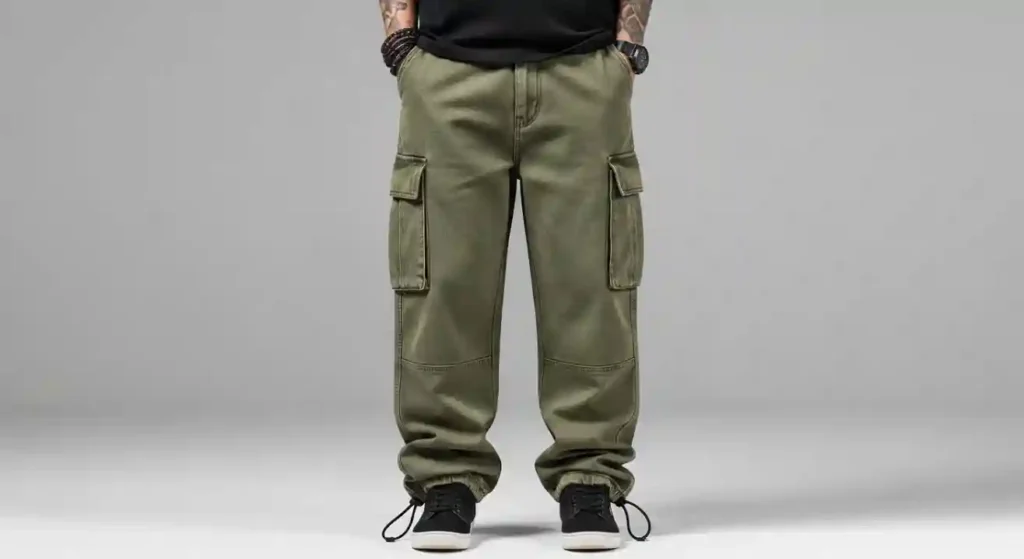
- Straight-leg or wide-leg trousers
- Knit vests and cardigans
- Simple graphic tees with small, subtle logos
- Pleated skirts or tailored shorts
Color palette:
The colors are almost always muted — cream, beige, grey, navy, olive, and white dominate. You won’t find neon or bold clashing prints here. Acubi keeps it soft and cohesive.
Footwear:
Loafers, Mary Janes, simple sneakers (especially classic low-top styles), and chunky platform shoes are all very acubi. The shoes always feel intentional but not flashy.
Accessories:
Small bags, thin belts, simple hair clips, and minimal jewelry round out the look. Nothing is overdone.
892 Momona St Honolulu: A Complete Neighborhood Guide
How Acubi Differs From Similar Aesthetics
It’s easy to confuse acubi with other popular aesthetics because there’s a lot of overlap. Here’s how it stands apart.
Acubi vs. Clean Girl Aesthetic
The clean girl aesthetic focuses heavily on glowy skin, slicked-back hair, and athleisure-meets-luxury fashion. Acubi is more structured and leans into the preppy/academic side rather than the wellness-influencer lane.
Acubi vs. Old Money
Old money is about looking inherited-wealth wealthy — think yacht trips, tennis whites, and cashmere. Acubi borrows some of that tidiness but feels more youthful, accessible, and street-influenced.
Acubi vs. Normcore
Normcore intentionally avoids fashion statements altogether. Acubi, on the other hand, is still very much a curated aesthetic — it just doesn’t scream for attention.
Why Acubi Fashion Is So Popular Right Now
There’s a reason this trend resonated so quickly with Gen Z and younger millennials. A few reasons, actually.
First, people are tired of fast fashion excess. Acubi promotes a kind of restrained elegance that feels more sustainable and thoughtful — you buy fewer, better pieces that all work together.
Second, Korean pop culture continues to influence global fashion in a big way. K-drama characters and K-pop idols have been rocking this understated, polished aesthetic for years, and Western audiences are finally catching on.
Third, acubi is genuinely wearable. Unlike some viral aesthetics that look amazing on a mood board but are impossible to wear to class or work, acubi translates into real life really well. That practicality is a huge part of its appeal.
How to Build an Acubi Wardrobe on a Budget
You don’t need to splurge to get the look. Acubi is actually one of the more budget-friendly aesthetics because it prioritizes simple, timeless basics over trendy statement pieces.
Here’s a practical approach:
- Start with basics: A few neutral long-sleeve tops, one or two pairs of straight-leg trousers, and a clean white button-down will take you far.
- Thrift strategically: Vintage shops are full of the kind of relaxed knitwear and pleated trousers that fit the acubi vibe perfectly.
- Stick to a color palette: Before buying anything new, check that it fits into your existing neutral tones. This prevents impulse buys that don’t actually work with your wardrobe.
- Invest in shoes: A good pair of loafers or Mary Janes can elevate even the simplest outfit instantly.
- Less is more: Resist the urge to pile on accessories. One small bag and minimal jewelry is usually enough.
Pros and Cons of Acubi Fashion
Like any aesthetic, acubi has its strengths and a few limitations worth considering.
Pros:
- Very versatile — works for school, casual outings, and even some workplaces
- Easy to mix and match pieces
- Timeless, so outfits won’t feel dated quickly
- Encourages intentional shopping over impulse buying
- Looks polished without requiring much effort
Cons:
- Can feel too plain or repetitive without some creative styling
- Muted colors may not suit everyone’s personal style or skin tone preferences
- Building the wardrobe from scratch can take time
- Easy to accidentally veer into generic “basic” territory if you’re not intentional
Common Mistakes People Make With Acubi Fashion
Getting the aesthetic right takes a little more thought than it seems. Here are the most common missteps.
Overdoing the minimalism. There’s a fine line between clean and boring. If every single piece is completely plain with zero interesting details, the outfit falls flat. Look for subtle textures, interesting cuts, or one small statement detail.
Ignoring fit. Acubi outfits live and die by how well clothes fit. A slightly oversized knit can look intentional and stylish. A poorly fitting shirt just looks sloppy. Always pay attention to proportion.
Mixing in too many colors. Even adding one or two bright colors into an otherwise neutral outfit can throw off the whole look. Keep the palette tight.
Skipping the layers. Acubi looks often involve layering — a collared shirt under a knit vest, or a cardigan over a polo. Without layering, outfits can feel underdeveloped.
Copying looks exactly. The best acubi outfits feel personal. Use inspiration as a jumping-off point, but make it your own.
Best Practices for Nailing the Acubi Look
If you want to actually pull this aesthetic off consistently, a few habits make a real difference.
- Curate before you shop. Save at least 20–30 reference images and look for patterns in what you’re drawn to before spending any money.
- Focus on fabric quality. Natural fabrics like cotton, wool, and linen drape better and look more elevated, which matters a lot in a minimal aesthetic.
- Pay attention to Korean fashion accounts. The aesthetic was born there, and the most refined acubi inspiration still comes from Korean street style photographers and fashion communities.
- Keep your overall look cohesive. Hair and makeup matter too. Acubi pairs best with natural, low-key styling rather than heavy glam.
- Develop your own signature. Maybe you always wear a specific style of earring, or you love a particular type of bag. That personal consistency is what separates a genuine aesthetic from a costume.
Conclusion
Acubi fashion is more than just another trend cycle. It’s a considered, quietly confident approach to dressing that prioritizes simplicity, quality, and a certain relaxed elegance. Rooted in Korean fashion culture and amplified by social media, it offers a refreshing alternative to louder, more cluttered aesthetics.
The best part? It’s genuinely accessible. You don’t need a huge budget or a complete wardrobe overhaul. A few well-chosen basics, attention to fit, and a commitment to your color palette can get you most of the way there.
If you’ve been feeling overwhelmed by your closet or disconnected from your personal style, acubi might be exactly the reset you’re looking for.
FAQs
1. What does acubi mean in fashion?
Acubi refers to a Korean-inspired minimalist fashion aesthetic characterized by clean lines, muted colors, preppy basics, and an effortlessly polished look. The name originated in Korean online fashion communities.
2. Is acubi fashion only for women?
Not at all. While many viral acubi outfits feature women’s clothing, the aesthetic is very much gender-inclusive. Slim trousers, polo shirts, knit vests, and loafers work beautifully across all gender expressions.
3. What stores are best for acubi fashion?
Brands like Uniqlo, COS, Mango, and Zara carry a lot of acubi-friendly basics. Thrift stores and vintage shops are also excellent for finding the relaxed knitwear and tailored pieces that define the look.
4. How is acubi different from the preppy aesthetic?
Traditional preppy fashion is louder about status — bold logos, bright colors, and heritage brand signals. Acubi takes the structure of preppy dressing and strips it back to something much more understated and street-influenced.
5. Is acubi fashion still trending in 2026?
Yes. While the name may not be on every headline, the underlying aesthetic — clean, minimal, Korean-influenced streetwear — continues to grow in popularity and shows no signs of slowing down.
Frequently Asked Questions
What is What Is Acubi Fashion? The Viral Aesthetic Explained?
What Is Acubi Fashion? The Viral Aesthetic Explained is a topic that many people search for. This article provides a thorough overview based on current information and expert analysis available in 2026.
Why does What Is Acubi Fashion? The Viral Aesthetic Explained matter?
Understanding What Is Acubi Fashion? The Viral Aesthetic Explained helps you make better decisions. Whether you’re a beginner or have some experience, staying informed on this topic is genuinely useful.
Where can I learn more about What Is Acubi Fashion? The Viral Aesthetic Explained?
We recommend checking authoritative sources and official websites for the most current information. This article is regularly updated to reflect new developments.
Source: Vogue
Related Articles
- Slant Asymptote in Math Made Easy
- Pacific Standard Time Timezone: The Ultimate Planning Guide
- Master the Solo ET: The Ultimate Guide to Solo Entrepreneurship
Editorial Note: This article was researched and written by the Cheeky Zebra editorial team. We fact-check our content and update it regularly. For questions or corrections, contact us. For readers asking “What is acubi fashion”, the answer comes down to the specific factors covered above.