
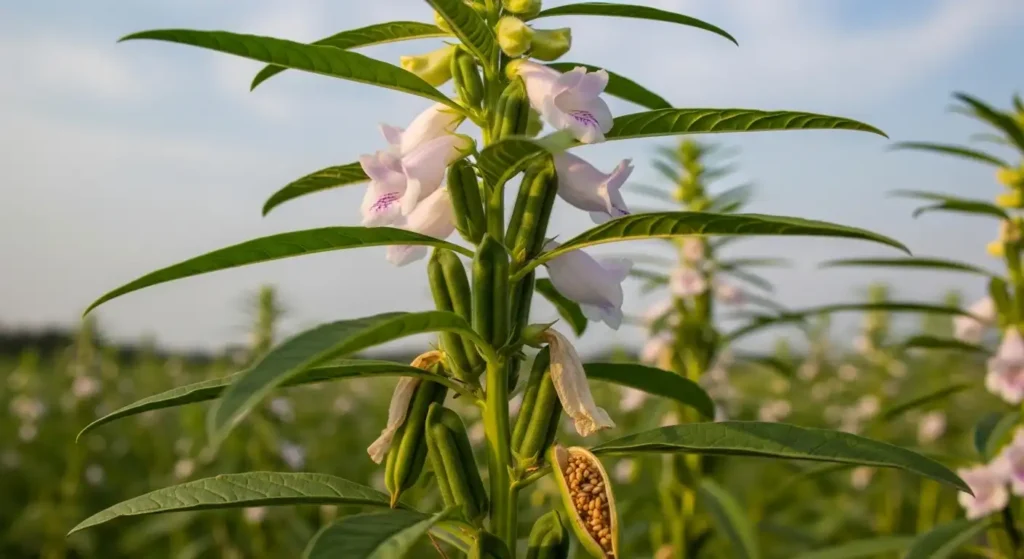
If you’ve ever cooked with sesame oil or sprinkled sesame seeds on your food, you’ve already had a close encounter with the gingelly plant. Known botanically as Sesamum indicum, the gingelly plant is one of the oldest cultivated crops in the world — and for good reason. From its nutrient-rich seeds to its golden oil, this humble plant packs a serious punch in both the kitchen and the garden.
Last updated: June 28, 2026
Whether you’re a home gardener curious about growing it or someone exploring its health benefits, this guide covers everything you need to know.
What Is the Gingelly Plant?
The gingelly plant is a flowering herb that belongs to the Pedaliaceae family. It typically grows between 50 to 100 cm tall and produces small, bell-shaped flowers that are usually white or pale pink. The plant thrives in warm, tropical climates and is widely grown across India, Africa, and parts of Southeast Asia.
Its seeds — tiny, flat, and oval — are what make this plant so valuable. These seeds are pressed to extract gingelly oil (also called sesame oil), which is widely used in cooking, skincare, and traditional medicine.
Key Characteristics of the Plant
- Grows well in dry, well-drained soil
- Requires full sunlight and warm temperatures
- Produces seed pods that split open when mature
- Drought-tolerant once established
- Annual crop with a growing cycle of 90–120 days
Nutritional Value of Gingelly Seeds
Before diving into growing tips, it’s worth understanding why people have prized this plant for centuries. Gingelly seeds are loaded with nutrients that support overall health.
Each tablespoon of sesame seeds contains:
- Calcium — great for bone strength
- Magnesium — supports muscle and nerve function
- Iron — essential for blood health
- Zinc — boosts immunity
- Healthy fats — particularly oleic and linoleic acids
- Vitamin B1 (Thiamine) — supports energy metabolism
- Antioxidants — including sesamin and sesamolin
These compounds make gingelly seeds and oil a staple in Ayurvedic medicine and traditional cooking across South Asia.
Who Is Decached Heladim Jomsel? The Digital Voice of 2026
Health Benefits of the Gingelly Plant
Supports Heart Health
Gingelly oil is rich in unsaturated fatty acids, which help maintain healthy cholesterol levels. Regular consumption in moderate amounts may support cardiovascular function over time.
Promotes Healthy Skin and Hair
Many people in India have used gingelly oil for oil pulling, scalp massage, and moisturizing skin for generations. Its natural antioxidants protect skin cells from oxidative stress, and its fatty acid content nourishes dry scalp and hair.
Strengthens Bones
With high calcium and zinc content, gingelly seeds contribute to bone density. This is especially useful for people who don’t consume dairy products regularly.
Aids Digestion
The fiber in sesame seeds supports healthy digestion and can help prevent constipation when consumed regularly as part of a balanced diet.
Anti-inflammatory Properties
Sesamin — a lignan found in sesame — has shown anti-inflammatory effects in research. This makes gingelly oil a popular choice in traditional massage therapies.
How to Grow the Gingelly Plant at Home
Growing gingelly at home is surprisingly straightforward. The plant doesn’t demand much — just warmth, sunlight, and well-draining soil.
Choosing the Right Location
Pick a sunny spot in your garden that gets at least 6–8 hours of direct sunlight daily. The plant does poorly in shaded areas or waterlogged soil.
Soil Preparation
Gingelly prefers sandy loam or well-drained soil with a slightly acidic to neutral pH (5.4–8.0). Avoid heavy clay soils as they retain too much moisture and can cause root rot.
Sowing Seeds
- Sow seeds directly into the ground after the last frost
- Plant seeds about 1 cm deep and 5–10 cm apart
- Water lightly after sowing — don’t overwater
- Seeds typically germinate within 3–5 days in warm soil
Watering and Care
Once established, the plant is quite drought-tolerant. Water deeply but infrequently — about once a week is usually enough. Overwatering is one of the most common mistakes beginners make.
Harvesting
The plant is ready to harvest when the lower leaves start to turn yellow and the seed pods begin to change color. Cut the plant stalks and hang them upside down in a dry, ventilated area to let the seeds fall naturally.
Pros and Cons of Growing Gingelly
Pros
- Low maintenance — doesn’t need much fertilizer or frequent watering
- Drought-resistant — ideal for dry climates
- Multiple uses — seeds, oil, and leaves all have practical value
- Fast-growing — ready to harvest in about 3–4 months
- Medicinal value — traditional uses in Ayurveda and folk medicine
- Good for soil — acts as a rotational crop that benefits soil health
Cons
- Sensitive to frost — can’t survive in cold climates
- Shattering pods — ripe seed pods can split and scatter seeds before harvest if not timed right
- Limited commercial processing — extracting oil at home requires a press
- Pest vulnerability — susceptible to aphids, whiteflies, and stem borers
- Requires consistent warmth — not suitable for short growing seasons
Common Mistakes to Avoid
Even experienced gardeners make avoidable errors when growing the gingelly plant. Here’s what to watch out for:
1. Overwatering This is the number one mistake. Gingelly plants rot quickly in soggy soil. Always let the topsoil dry out between waterings.
2. Harvesting Too Late If you wait too long, the seed pods will split open and you’ll lose a good portion of your yield. Monitor the plant closely once it starts to mature.
3. Planting in Poor Sunlight Gingelly needs full sun. Planting it under partial shade will result in weak growth and poor seed yield.
4. Ignoring Pest Control Check your plants regularly for aphids and whiteflies. Early detection makes treatment much easier. Neem oil spray works well as a natural remedy.
5. Dense Planting Planting seeds too close together limits airflow and increases the risk of fungal disease. Always follow proper spacing guidelines.
Best Practices for Growing and Using Gingelly
- Rotate crops — don’t plant gingelly in the same spot two years in a row
- Use organic compost during soil preparation to improve texture and nutrients
- Harvest in the morning when pods are less likely to burst open unexpectedly
- Store seeds in airtight containers away from moisture and light to preserve freshness
- Cold-press for best oil quality — heat processing reduces nutritional value
- Use gingelly oil at low to medium heat — it has a lower smoke point than refined oils
- Mix with other oils for cooking if you find the flavor too strong on its own
Conclusion
The gingelly plant is genuinely one of nature’s most generous crops. It asks for very little — some sun, warm temperatures, and decent soil — and in return gives you nutritious seeds, deeply nourishing oil, and a host of traditional health benefits. Whether you want to grow it in your backyard or simply make better use of it in your kitchen, understanding this plant helps you get the most from it.
Start small, pay attention to watering, and time your harvest right. Once you experience fresh homegrown gingelly, you’ll wonder why you didn’t start sooner.
Frequently Asked Questions (FAQs)
1. What is the gingelly plant called in other languages?
The gingelly plant is known as til in Hindi, ellu in Tamil and Malayalam, nuvvulu in Telugu, and sesame in English. Its botanical name is Sesamum indicum.
2. Is gingelly oil the same as sesame oil?
Yes. Gingelly oil and sesame oil come from the same plant. “Gingelly” is the regional term used mainly in South India and Sri Lanka.
3. Can I grow the gingelly plant in a pot?
Yes, you can grow it in a large container (at least 30 cm deep) with well-draining soil. Make sure the pot is placed in a sunny location and avoid overwatering.
4. How long does the gingelly plant take to grow?
The plant typically matures in 90 to 120 days from sowing, depending on the variety and growing conditions.
5. What are the side effects of consuming too much gingelly oil?
Excessive consumption may lead to weight gain due to its high calorie content. People with sesame allergies should avoid it entirely. Moderation is key, as with any oil.
Source: Britannica
Related Articles
- Optimizing the R34 Web Framework for High-Speed Performance
- mila volovich: The Powerful Rise of a Global Action Icon
- Foxfiny.com: Your Ultimate Guide to Online Shopping
Editorial Note: This article was researched and written by the Cheeky Zebra editorial team. We fact-check our content and update it regularly. For questions or corrections, contact us.