If you’ve ever pulled potatoes off the stove too early — or forgotten them until they turned to mush — you’re not alone. Knowing how long does it take to boil potatoes is one of those kitchen basics that sounds simple but has more nuance than most people expect. The answer depends on size, type, and what you’re making. Let’s break it all down so you never have to guess again.
Last updated: June 28, 2026
Why Boiling Time Actually Matters
Undercooked potatoes are chalky and unpleasant. Overcooked ones fall apart before they even hit the bowl. Getting the timing right means better mashed potatoes, better potato salad, and better everything else you’re building around them.
The good news? Once you understand the variables, it becomes second nature.
How Long Does It Take to Boil Potatoes? A Full Breakdown
Here’s a quick reference based on the most common scenarios:
Whole small potatoes (baby/new potatoes): 15–20 minutes
Whole medium potatoes: 25–35 minutes
Whole large potatoes: 40–50 minutes
Cubed potatoes (1-inch pieces): 10–15 minutes
Halved potatoes: 20–25 minutes
These times assume you start with cold water and bring it to a boil together with the potatoes — which is the recommended method for even cooking.
Does the Type of Potato Change the Time?
Yes, it absolutely does. Different potato varieties have different starch levels, and that affects texture and cooking speed.
Starchy Potatoes (Russet, Idaho)
These are high in starch and low in moisture. They cook relatively fast and become fluffy and soft. Great for mashing. They tend to fall apart if overcooked, so keep an eye on them.
Waxy Potatoes (Red, Fingerling, New Potatoes)
Lower starch, higher moisture. They hold their shape well and take slightly longer to become tender all the way through. Perfect for salads or soups where you want intact pieces.
All-Purpose Potatoes (Yukon Gold)
Right in the middle. They’re versatile, creamy, and work well for almost anything. Boiling time falls in the average range for their size.
How to Find Slant Asymptotes: A Simple Guide
Step-by-Step: How to Boil Potatoes Correctly
Getting the process right matters as much as the timing. Here’s exactly what to do:
- Wash and prep your potatoes. Scrub them clean. Peel if your recipe calls for it, or leave the skin on for extra texture and nutrients.
- Cut them consistently. If you’re cubing, keep the pieces the same size. Uneven cuts mean some pieces cook faster than others.
- Place in a pot and cover with cold water. Starting in cold water helps the potato cook more evenly from the outside in. Starting in boiling water can cause the outside to get mushy before the center is done.
- Add salt generously. Salt the water like you mean it. This is your one chance to season the potato itself, not just the surface.
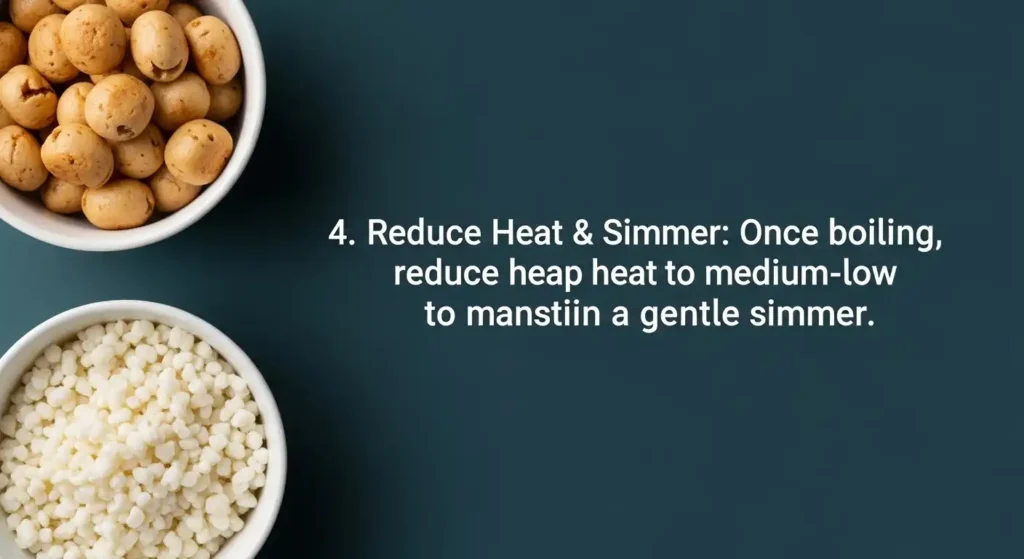
- Bring to a boil, then reduce to a simmer. Once boiling, lower the heat slightly. A rolling boil can break apart softer pieces.
- Test with a fork or knife. Start checking a few minutes before the expected time. A fork should slide in easily with no resistance at the center.
- Drain immediately. Don’t let them sit in the hot water or they’ll keep cooking.
Practical Example: Boiling Potatoes for Mashed Potatoes
Say you’re making mashed potatoes for four people. You grab three large Russet potatoes, peel them, and cut them into roughly 1.5-inch cubes.
You put them in a pot, cover with cold salted water, and bring to a boil. From the point of boiling, you’re looking at about 12–14 minutes. You check at 12 minutes — the fork goes in easily — so you drain them right away. They’re perfectly tender without being waterlogged. That’s the sweet spot.
Pros and Cons of Boiling Potatoes
Pros
- Simple method with no special equipment needed
- Preserves more nutrients than frying
- Creates a soft, even texture ideal for mashing, salads, and soups
- Easy to control doneness with a simple fork test
- Works for meal prep — boiled potatoes store well in the fridge
Cons
- Can become waterlogged if overcooked
- Some nutrients leach into the cooking water
- Less flavor development compared to roasting or frying
- Timing varies enough that you can’t fully set and forget them
Common Mistakes People Make
Even experienced home cooks make these errors. Here’s what to watch out for:
Starting in boiling water. Dropping cold potatoes into already-boiling water causes the outside to cook way faster than the inside. Always start cold.
Not salting the water. Unsalted boiling water means bland potatoes. Salt early and generously.
Cutting pieces unevenly. One giant chunk and three small ones in the same pot? The small ones turn to mush while you wait for the big piece to cook through.
Overcrowding the pot. Too many potatoes lower the water temperature and make cooking uneven. Use a big enough pot.
Leaving them in the water after cooking. Once they’re done, drain them. Every minute they sit in hot water, they keep cooking and absorbing moisture.
Not testing before assuming they’re done. Timer guidelines are estimates. Always use the fork test as your true indicator.
Best Practices for Perfect Boiled Potatoes
Follow these habits and you’ll get consistent results every time:
- Match your cut to your recipe. Cubes for soups and salads, halves or whole for roasting after boiling, larger pieces for mashing.
- Use a pot with a lid to bring water to a boil faster, then remove the lid once simmering.
- Add a splash of vinegar to the water when boiling waxy potatoes for salad — it helps them hold their shape.
- Don’t peel until after boiling if you want to preserve maximum nutrients and flavor. The skin acts as a natural barrier.
- Dry them out slightly after draining before mashing — a quick 30 seconds back in the hot pot (off the heat) removes excess moisture for fluffier results.
Conclusion
Boiling potatoes well isn’t complicated, but it does reward attention. The size of your cut, the type of potato you’re using, and the small details like starting in cold salted water — all of these add up to a noticeably better result. Now that you know exactly how long it takes to boil potatoes in every common scenario, you can cook with confidence instead of constantly second-guessing yourself. Use the fork test, watch your sizing, and you’ll nail it every time.
Frequently Asked Questions
1. How long does it take to boil potatoes for mashed potatoes?
For cubed potatoes (about 1–1.5 inches), expect 12–15 minutes after the water reaches a boil. Larger chunks may take up to 20 minutes. Always test with a fork.
2. Should I boil potatoes with the skin on or off?
Either works, but leaving the skin on helps potatoes hold their shape and retain more nutrients. For mashing, peeling beforehand is more common for a smoother texture.
3. How do I know when boiled potatoes are done?
Stick a fork or thin knife into the thickest part. It should slide in with no resistance. If you feel any firmness at the center, give it another 2–3 minutes.
4. Can I boil potatoes ahead of time?
Yes. Boiled potatoes keep well in the refrigerator for up to 3–4 days. Store them in an airtight container once completely cooled.
5. Why are my boiled potatoes falling apart?
They were likely overcooked, or the heat was too high causing a vigorous boil that broke them apart. Keep it at a gentle simmer once the water reaches boiling point, and check earlier than you think you need to.
Source: World Health Organization
Related Articles
- Emergency Plumbers Near M: Fast, Reliable Help When Every
- KVK Pharma: Innovations in Pharmaceuticals and Patient Care
- What Is Acubi Fashion? The Viral Aesthetic Explained
Editorial Note: This article was researched and written by the Cheeky Zebra editorial team. We fact-check our content and update it regularly. For questions or corrections, contact us. For readers asking “How long does it take to boil potatoes”, the answer comes down to the specific factors covered above.