If you’ve ever received a call and wondered, where is area code 571, you’re not alone. It’s one of those numbers that pops up and leaves people scratching their heads. The short answer? Area code 571 is located in Northern Virginia, right outside Washington, D.C. But there’s a lot more to this area code than just geography — and this guide breaks it all down in plain English.
Where Is Area Code 571 Located?
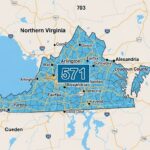
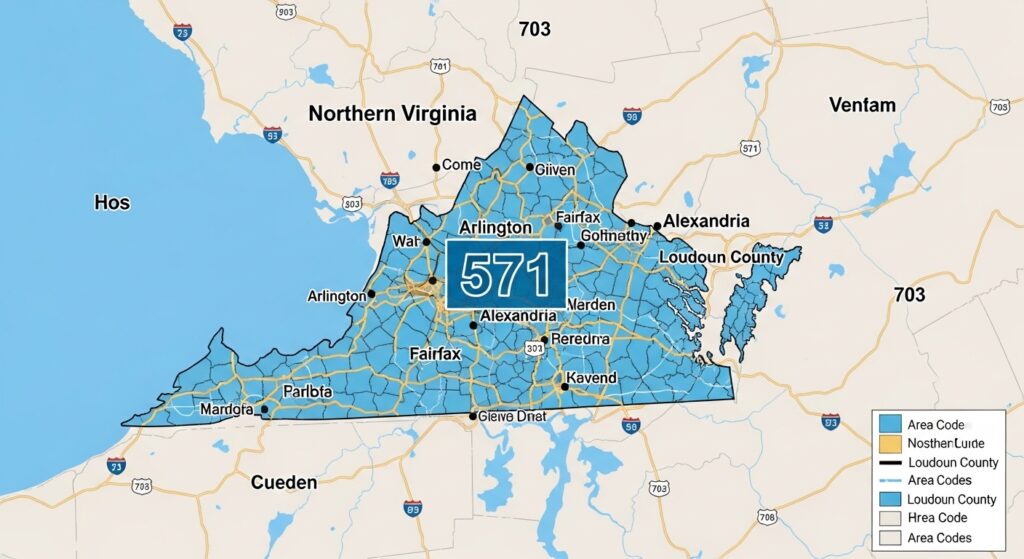
Area code 571 serves Northern Virginia, one of the most densely populated and economically active regions in the entire United States. It was introduced in 2000 as an overlay for area code 703, which had been in place since 1947. As the population exploded in the region, 703 simply ran out of available phone numbers — so 571 stepped in to handle the overflow.
Both area codes (571 and 703) cover the exact same geographic territory. That means if you’re calling someone in the same city, you might dial a 703 number for one neighbor and a 571 number for another.
Cities and Counties Covered by Area Code 571
The area code 571 covers a wide range of cities, suburbs, and counties. Here’s a look at the major ones:
- Arlington – Home to the Pentagon and one of the most urban counties in Virginia
- Alexandria – A historic city with a vibrant waterfront and close ties to D.C.
- Fairfax County – One of the wealthiest counties in the nation
- Loudoun County – Known for rapid tech industry growth and Dulles International Airport
- Prince William County – A large suburban county south of Washington
- Manassas – A historic Civil War city now thriving as a modern suburb
- Herndon and Reston – Major tech hubs in Northern Virginia
- Falls Church – A small independent city surrounded by Fairfax County
If a call is coming from any of these places, there’s a solid chance it’s carrying a 571 or 703 area code.
A Brief History of Area Code 571
To understand 571, you need to go back to 703. When 703 was created in 1947, it actually covered all of Virginia. Over the decades, as the state’s population grew, the code was split multiple times. By the 1990s, 703 only covered Northern Virginia — but even that wasn’t enough.
By the late 1990s, the explosion of fax machines, pagers, and mobile phones consumed phone numbers at a pace no one had predicted. The North American Numbering Plan Administrator stepped in and introduced 571 as an overlay in 2000.
Unlike a geographic split — where different cities get different codes — an overlay means both codes share the same area. It also meant that even local calls required 10-digit dialing, which was a big change for residents at the time.
What Is the 571 Phone Code? Area Code Guide
Why Does Northern Virginia Have Two Area Codes?
This is one of the most common questions people ask. The reason is simple: demand.
Northern Virginia sits right next to the nation’s capital. It’s home to major federal agencies, defense contractors, tech giants, law firms, and a massive residential population. The demand for phone lines — personal and business — is enormous.
Rather than splitting the region geographically (which would have been disruptive), regulators chose an overlay. Both 703 and 571 now serve the same territory, giving the region a virtually unlimited supply of new phone numbers.
Pros and Cons of Having an Overlay Area Code
Pros
- No geographic disruption — Businesses and residents keep their existing numbers
- Plenty of new numbers available — Overlays dramatically expand capacity
- Flexible for growing regions — Ideal for fast-growing tech and business hubs
- No confusion about which area belongs to which code — Both cover the same zone
Cons
- 10-digit dialing becomes mandatory — Even local calls require the full number
- Confusion for newcomers — People assume different area codes mean different cities
- Potential for scam calls — Local-looking 571 numbers can be used by robocallers to appear familiar
Common Mistakes People Make About Area Code 571
A few misconceptions float around about this area code. Here are the ones that come up most often:
1. Thinking 571 and 703 cover different places They don’t. Both codes serve the exact same Northern Virginia region. You can live on the same street as your neighbor and have different area codes.
2. Assuming a 571 call is long-distance It’s not. If you’re in Northern Virginia, a 571 number is a local call — no long-distance charges apply on modern phone plans.
3. Ignoring 571 calls as spam While robocalls do exist, many legitimate businesses and individuals in the D.C. metro area use 571 numbers. Ignoring all of them could mean missing something important.
4. Confusing 571 with 573 Area code 573 covers central and southeastern Missouri — a completely different state. They sound similar but serve entirely different regions.
Best Practices When Dealing With Area Code 571
Whether you’re receiving calls or trying to identify a number, here are some smart habits to follow:
- Save contacts with full 10-digit numbers — Since 10-digit dialing is required, always store numbers with the area code included
- Use a reverse lookup tool — Sites like Whitepages or Google can help identify unknown 571 callers
- Don’t assume it’s spam — Many real businesses, government offices, and residents use this code
- If you’re a business in the area, consider whether a 703 or 571 number projects a more established image to local clients
- Register with the Do Not Call list if you’re receiving unwanted solicitation calls from any area code
What Kind of Calls Come From 571?
Given that Northern Virginia is a major hub for:
- Federal government agencies
- Defense and intelligence contractors
- Tech companies (the region is sometimes called “Silicon Valley of the East”)
- Law firms and lobbying groups
- Universities and research institutions
…you can expect 571 calls to come from a wide range of sources. It could be your doctor’s office in Fairfax, a recruiter from a tech company in Reston, or a government contractor in Arlington.
That said, scammers do spoof local area codes — including 571 — to make their calls look familiar. If a call seems suspicious, let it go to voicemail.
Conclusion
So, where is area code 571? It’s right in the heart of Northern Virginia — one of the most connected, fast-moving, and influential regions in the country. Introduced in 2000 to support the overflow from area code 703, it now serves millions of residents and businesses across Arlington, Alexandria, Fairfax, Loudoun, and beyond.
Whether you’re getting a call from a government office, a tech recruiter, or a local restaurant, a 571 number means you’re hearing from someone in the D.C. metro corridor. Now that you know the full story, you can answer — or screen — those calls with confidence.
Frequently Asked Questions
1. Where is area code 571 located geographically?
Area code 571 is located in Northern Virginia, covering cities and counties near Washington, D.C., including Arlington, Alexandria, Fairfax, Loudoun, and Prince William counties.
2. Is area code 571 the same as 703?
Yes, both 571 and 703 serve the same geographic region in Northern Virginia. They are overlay codes, meaning they cover identical territory rather than different areas.
3. Is a call from 571 local or long-distance?
For anyone living in Northern Virginia or the D.C. metro area, a 571 call is a local call. Most modern phone plans don’t charge extra for it regardless.
4. When was area code 571 created?
Area code 571 was introduced in 2000 as an overlay to area code 703, which had been in use since 1947 and was running out of available numbers due to population growth.
5. Can scammers use area code 571?
Yes, scammers can spoof any area code, including 571, to make calls appear local and trustworthy. If you receive a suspicious call, let it go to voicemail and verify before calling back.