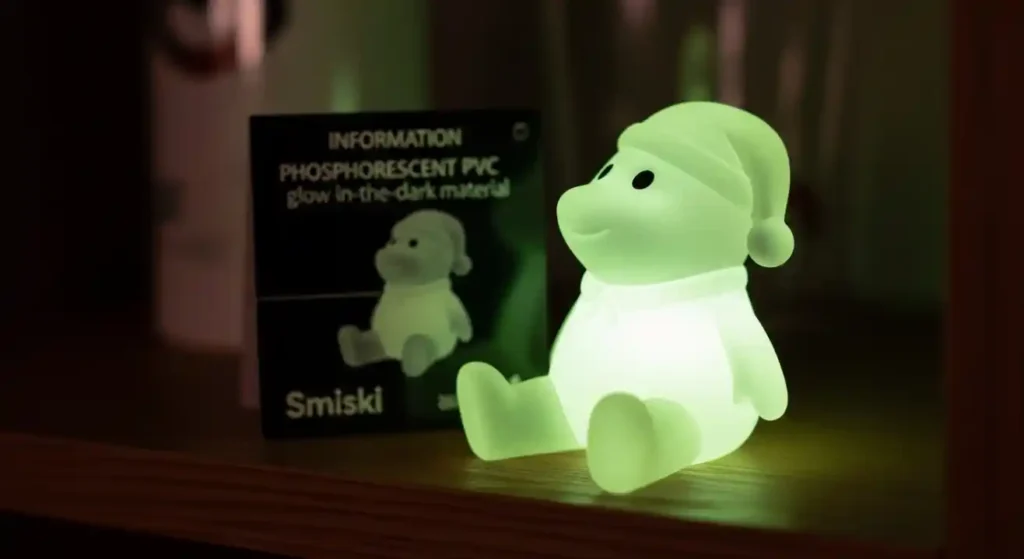
If you’ve ever spotted a glowing little figure peeking out from a shelf or bathroom counter, you’ve probably wondered — what are Smiskis made of, and why do they glow like that? These tiny, pastel-colored characters have taken the collectible toy world by storm, and there’s more to them than meets the eye. Let’s dig into what makes Smiskis so special, from the materials inside to the magic of their glow.
What Exactly Are Smiskis?
Before getting into the materials, it helps to understand what Smiskis actually are. Smiskis are small blind-box figurines created by the Japanese toy brand Dreams Co., Ltd. Each figure stands about 3.5 cm tall and features a chubby little character with closed eyes, a peaceful expression, and a soft, luminescent body.
They come packaged in sealed boxes, so you never know which character you’ll get until you open it. That surprise element is a huge part of their appeal — especially for collectors.
Smiskis are sold in themed series, and each series comes with several different poses and characters. Some are ultra-rare, making the hunt even more exciting.
What Are Smiskis Made Of?
This is the big question. Smiskis are made from phosphorescent vinyl, which is a type of soft plastic that has glow-in-the-dark properties built right into the material.
Let’s break that down a bit.
The Core Material: Soft Vinyl (PVC)
The primary material used in Smiskis is soft PVC (polyvinyl chloride). This is a flexible, lightweight plastic that’s commonly used in the toy industry. It’s durable enough to hold its shape but soft enough to feel pleasant in your hand.
Soft vinyl is ideal for small figurines like Smiskis because:
- It captures fine details well during the molding process
- It’s lightweight and easy to handle
- It’s relatively affordable, keeping the toys accessible
- It holds paint and surface finishes cleanly
This is the same material used in many popular vinyl collectibles, art toys, and character figures around the world.
UAC3600816: What It Is and Why It Matters
The Glow: Phosphorescent Pigment
Here’s where things get really interesting. What makes Smiskis different from other vinyl toys is their glow-in-the-dark quality. This effect comes from phosphorescent pigment mixed directly into the vinyl during manufacturing.
Phosphorescent materials absorb light — whether from sunlight, lamps, or other sources — and then slowly release that energy as a soft, gentle glow in the dark. This is completely non-toxic and safe.
When you charge a Smiski under a light for a few minutes, it will glow with a soft blue-green hue in the dark. The glow gradually fades over time but can be recharged again and again.
This glowing effect gives Smiskis their dreamy, almost magical quality — and it’s honestly a big reason why people love displaying them in bedrooms and bathrooms.
Paint and Finishing Details
While the body of a Smiski is made from that phosphorescent soft vinyl, the painted details — like facial expressions, accessories, and clothing elements — are added using non-toxic acrylic-based paint during the finishing stage.
The painting process is done with great care, often by hand or using precision equipment, to ensure each figure looks consistent and detailed despite its tiny size.
How Are Smiskis Manufactured?
Understanding the material is one thing, but it’s also worth looking at how these little guys actually come to life.
Step 1 – Design and Sculpting
Every Smiski starts as a concept sketch. The design team creates characters, poses, and themes. Once a concept is approved, a master sculpture is created — usually by hand or using digital sculpting tools — that becomes the blueprint for production.
Step 2 – Mold Creation
From the master sculpt, a mold is produced. This mold is used to shape the soft vinyl into the final form of the figure. The molds are precision-made to capture even the smallest design details.
Step 3 – Vinyl Casting
Liquid soft PVC mixed with phosphorescent pigment is poured or injected into the mold and then heat-treated to set. Once cooled and removed from the mold, the basic figure shape is complete.
Step 4 – Painting and Assembly
Hand-painting or machine-assisted painting adds the finishing details. Some Smiskis also have small accessories or multi-part designs that are assembled at this stage.
Step 5 – Quality Control and Packaging
Each figure goes through a quality check before being packaged into its blind box. The mystery packaging — a sealed box with no window — is part of the fun and part of the brand’s identity.
Pros and Cons of Smiski’s Material Choices
Pros
- Glow-in-the-dark feature is charming and unique
- Soft vinyl is durable and long-lasting
- Non-toxic materials make them safe for display around the home
- Lightweight design makes them easy to place anywhere
- Holds paint well, so details stay sharp over time
Cons
- Soft vinyl can attract dust, so Smiskis need occasional cleaning
- The glow fades if not regularly exposed to light
- Small size means they can be easily lost or knocked over
- Not suitable for young children due to small parts
- PVC is not biodegradable, which raises minor environmental concerns
Common Mistakes Smiski Collectors Make
Even passionate collectors make a few rookie errors. Here are some things to watch out for:
Not charging the glow properly. Some people wonder why their Smiski isn’t glowing brightly. The answer is usually simple — it hasn’t been exposed to light long enough. A good 10–15 minutes under a lamp gives a much stronger glow than just a few seconds.
Storing them in direct sunlight. While Smiskis need light to glow, prolonged direct sunlight can cause the painted details to fade over time. Indirect light or indoor lighting works best.
Buying from unverified sellers. Counterfeit Smiskis exist. Fake versions often use lower-quality vinyl that doesn’t glow as well, and the paint details are noticeably rougher. Always buy from reputable retailers.
Ignoring the series theme. Many collectors buy randomly without realizing they’re mixing series. If you’re trying to complete a set, it’s worth tracking which series each figure belongs to.
Using harsh cleaners. Smiskis should only be cleaned with a soft dry or slightly damp cloth. Harsh chemicals can strip the paint or damage the vinyl surface.
Best Practices for Caring for Your Smiskis
To keep your collection looking great and glowing strong, follow these simple tips:
- Display them in well-lit areas during the day so they absorb plenty of light for nighttime glowing
- Dust them gently with a soft microfiber cloth every few weeks
- Avoid placing them in direct sunlight for extended periods to preserve paint quality
- Keep them away from heat sources like radiators, which can cause soft vinyl to warp
- Store extras in a cool, dry place away from humidity if you’re not displaying them
Why Do People Love Collecting Smiskis?
Beyond the materials, there’s a genuine emotional appeal to Smiskis. The blind-box format creates excitement and surprise. The tiny size makes them easy to display anywhere — on a desk, bathroom shelf, bookcase, or windowsill. And the gentle glow adds a cozy, nightlight-like quality to any space.
They’ve also become popular as gifts, especially among people who enjoy Japanese character culture, kawaii aesthetics, and designer toys.
The combination of quality materials, thoughtful design, and the thrill of the unknown has made Smiskis a genuinely beloved collectible — not just a passing trend.
Conclusion
So, what are Smiskis made of? At their core, they’re crafted from soft phosphorescent PVC vinyl, finished with non-toxic paint, and designed with incredible attention to detail. The glowing quality isn’t a trick or add-on — it’s built directly into the material itself, which is part of what makes them so satisfying to own.
Whether you’re a longtime collector or just discovering these glowing little characters for the first time, now you know exactly what goes into making each one. And honestly? Knowing the craftsmanship behind them makes them even more charming.
Frequently Asked Questions
1. What are Smiskis made of?
Smiskis are made from soft phosphorescent PVC vinyl, which gives them their signature glow-in-the-dark quality. Non-toxic acrylic paint is used to add facial and decorative details.
2. Are Smiskis safe for children?
Smiskis are generally considered safe in terms of materials since they use non-toxic vinyl and paint. However, due to their small size, they are not recommended for children under 3 years old as they can be a choking hazard.
3. How long do Smiskis glow in the dark?
After being charged under a light source for 10–15 minutes, Smiskis can glow for several hours. The glow gradually fades but can be fully recharged simply by exposing the figure to light again.
4. Do Smiskis fade over time?
The painted details can fade if exposed to prolonged direct sunlight. The vinyl body itself is quite durable, but it’s best to display Smiskis in indirect or indoor lighting to preserve their appearance.
5. How can I tell if a Smiski is authentic?
Authentic Smiskis have smooth, clean paint details and a strong phosphorescent glow. Counterfeits often have rough paint, dull glowing, and lighter or different packaging. Always buy from official retailers or trusted shops to ensure authenticity.