Key Takeaways
- Always wear a properly fitted helmet to protect against head injuries.
- Enhance visibility with bright clothing and appropriate lighting.
- Adhere to traffic laws and remain alert to your surroundings.
- Maintain your bicycle regularly to ensure optimal performance.
- Utilize designated bike lanes and paths whenever possible.
Table of Contents
- Wear a Properly Fitted Helmet
- Enhance Your Visibility
- Follow Traffic Laws
- Stay Alert and Aware
- Regular Bike Maintenance
- Use Designated Bike Lanes
- Use Hand Signals
- Avoid Distractions
Cycling offers a healthy, eco-friendly way to get around, but it also puts you in close proximity to moving vehicles and urban infrastructure. This is why prioritizing your safety is essential every time you take your bike out. Adopting responsible habits not only keeps you protected but also helps foster mutual respect among all road users. If you ever find yourself in an accident while riding, consulting a Miami bicycle accident attorney can help you understand your rights and available options.
While it is impossible to remove every risk from cycling, there are many actions you can take to minimize danger and enhance your confidence on the road. Simple protective measures and vigilance can significantly reduce the chance of severe injury. Riding responsibly makes cycling safer for everyone, including pedestrians and other drivers.
Wearing the right gear, understanding traffic laws, and maintaining your bike are fundamental. Commit to these basic safety principles to create a secure cycling environment not only for yourself but also for your community. Make safety a habit every time you step onto your bike.
Remember that preparedness extends beyond what you wear or how you ride. Knowing what to do in case of unexpected hazards can be just as important as your routine checks and behaviors.
Wear a Properly Fitted Helmet
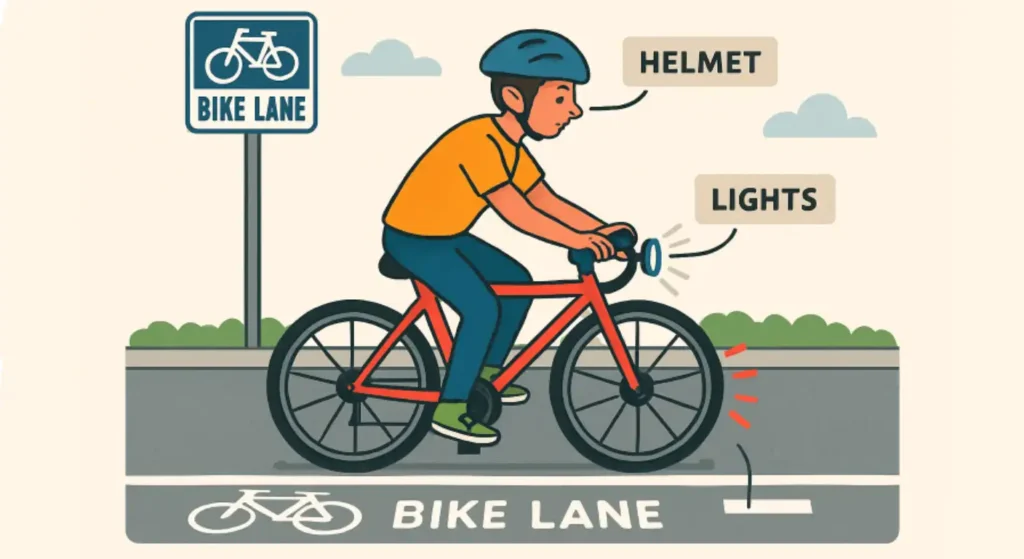
One of the most essential pieces of safety equipment for cyclists is a helmet. It provides indispensable protection against head injuries and can be the difference between minor and life-changing injuries in an accident. According to the Centers for Disease Control and Prevention (CDC), helmets reduce the chances of serious head injury by a significant margin. Make sure your helmet fits snugly and sits level on your head, with the straps securely fastened. If your helmet has sustained any impact, even if there are no visible cracks, it is advisable to replace it, as its structural integrity may be compromised.
Enhance Your Visibility
Visibility is crucial to staying safe, especially when sharing the road with drivers who might not always be attentive. Dress in bright or reflective clothing during the day, and switch to gear with reflective strips at night or in low-light conditions. Equip your bike with front white lights and rear red lights when riding after dark to ensure others see you coming. Many regions require these lights by law because they greatly increase cyclists’ safety. Additionally, consider adding reflective tape to your bike’s frame and pedals as an extra precaution. Increasing your visibility in all directions, not just the front and rear, is an effective strategy for preventing potential accidents, particularly in areas with heavy or unpredictable traffic.
Area Code 646 Location: Everything You Need to Know
Follow Traffic Laws
Being a cyclist means you are subject to the same traffic rules as drivers. Stop at all stop signs and red lights, yield appropriately, and use bike lanes or the rightmost lane when possible. Obeying these rules makes your actions more predictable, which lowers the risk of collisions. Predictability is key—when motorists understand your intentions, interactions become safer for everyone. For a comprehensive summary of traffic rules, the National Highway Traffic Safety Administration (NHTSA) offers detailed safety resources for cyclists. It’s also a good idea to familiarize yourself with local ordinances and any bicycle-specific rules, as different cities may have regulations regarding sidewalk cycling, signaling, and permitted riding hours.
Stay Alert and Aware
Road conditions change rapidly. Stay vigilant for potholes, debris, wet surfaces, or even the sudden opening of car doors. Avoid using headphones or your phone while riding, as these distractions can significantly increase your vulnerability. Full awareness allows you to spot and adapt to dangers as they arise. Always scan intersections and driveways for turning vehicles, and watch for unpredictable actions from pedestrians, animals, and other cyclists. Building a habit of constant scanning and anticipation equips you to react more efficiently to sudden hazards.
Regular Bike Maintenance
A poorly maintained bicycle can turn a minor mishap into a serious accident. Before each ride, check your tire pressure, brakes, chain, and quick-release levers. Regularly lubricate the chain and ensure lights and reflectors are clean and operational. Simple, consistent checks will extend your bike’s life and keep you safer on every journey. Consider scheduling professional tune-ups at least annually, especially if you cycle frequently or over long distances. Keeping a small repair kit and knowing how to fix a flat or adjust your brakes are useful skills that can prevent a minor issue from stranding you far from home.
Use Designated Bike Lanes
Whenever available, stick to dedicated bike lanes and multi-use paths. These spaces separate cyclists from vehicular traffic, lowering the risk of high-speed collisions and giving you extra room to maneuver. If no bike lane is available, ride to the right side of the road unless you are making a left turn or need to avoid an obstacle. When passing parked cars, allow enough clearance to avoid being hit by the opening doors. Pay attention to pavement markings and cycling-specific signage to ensure you’re using the safest available route.
Use Hand Signals
Clear communication with other road users is critical. Use hand signals well in advance: extend your left arm horizontally to indicate a left turn, your right arm for a right turn, and point your left arm downward to signal a stop or a slowdown. Proper signaling eliminates confusion and makes your intentions evident to those around you. Practicing smooth, deliberate signaling helps ensure your movements are clear even in heavy traffic or complicated intersections.
Avoid Distractions
Distracted riding is a leading factor in cycling accidents. Avoid texting, checking your phone, or listening to music while on your bike. Always keep both hands on the handlebars and your focus on the road ahead; this ensures that you are ready to react immediately to any hazard or change around you. Developing strong situational awareness is key not only for your safety but for the well-being of everyone who shares the road.
Cycling safety takes teamwork. By following these best practices on every ride, you help foster a safer environment on the road for yourself and others. Shared responsibility means everyone, cyclists, pedestrians, and drivers, can enjoy safer, more predictable travel. Remember, making small adjustments to your daily cycling routine can yield significant improvements in both your confidence and overall safety. Stay proactive in your approach, educate fellow cyclists, and embrace a culture of continuous safety awareness.
Conclusion
Urban cycling can be both safe and enjoyable when approached with preparation, awareness, and responsibility. By wearing proper gear, following traffic laws, staying alert, and maintaining your bicycle, you significantly reduce the risk of accidents. Careful route planning, defensive riding, and adapting to weather conditions further enhance your safety on busy streets. Ultimately, combining these practices empowers cyclists to navigate urban environments with confidence, making each ride not only efficient but also secure and rewarding.