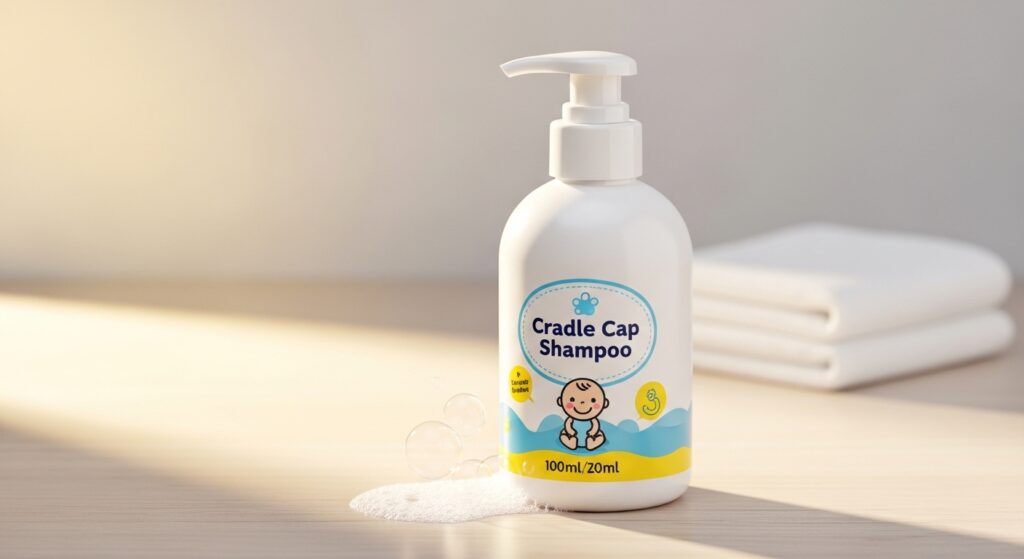
If you’ve noticed yellowish, crusty flakes on your newborn’s head, don’t panic — it’s most likely cradle cap. It’s incredibly common, and the good news is that the right shampoo can make a real difference. Choosing the best cradle cap shampoo doesn’t have to be overwhelming, even though the baby aisle can feel like a maze. This guide breaks everything down so you can make a confident, informed choice for your little one.
What Is Cradle Cap and Why Does It Happen?
Cradle cap, medically known as infantile seborrheic dermatitis, is a skin condition that causes greasy, scaly patches on a baby’s scalp. It usually shows up in the first few weeks of life and can last a few months.
It’s not caused by poor hygiene or allergies. Most experts believe it’s linked to overactive oil glands in the skin, possibly triggered by hormones passed from the mother before birth. It’s harmless, but it can look uncomfortable — and sometimes it is a little itchy.
Common Signs to Watch For
- Yellowish or brownish crusty patches on the scalp
- Flaky skin that may look greasy or dry
- Mild redness around the affected area
- Occasionally spreading to eyebrows or behind the ears
How the Right Shampoo Helps
A gentle, targeted shampoo can loosen those stubborn flakes and reduce the buildup of oils on the scalp. Not every baby shampoo works the same way, though. Some are too harsh and strip natural oils, which can irritate the skin further. Others are too mild to actually tackle the flakes.
The best cradle cap shampoo strikes a balance — it’s gentle enough for a baby’s sensitive skin but effective enough to get the job done.
Key Ingredients to Look For
When scanning labels, keep an eye out for these helpful ingredients:
- Salicylic acid (in low concentrations) — helps break down scale buildup
- Zinc pyrithione — controls oil production and has mild antifungal properties
- Tea tree oil — naturally antimicrobial, though it should be well-diluted for babies
- Aloe vera and chamomile — soothe irritated skin without drying it out
- Coconut oil or jojoba oil — moisturize the scalp and help loosen flakes gently
Avoid shampoos with strong fragrances, parabens, sulfates, or alcohol, as these can irritate your baby’s delicate scalp.
Top Features of a Good Cradle Cap Shampoo
Not all products marketed for cradle cap are created equal. Here’s what separates a genuinely useful shampoo from one that’s mostly hype:
Gentle pH-Balanced Formula
Baby skin has a different pH than adult skin. A pH-balanced shampoo helps maintain the skin’s natural barrier, which is crucial when you’re already dealing with irritation.
Tear-Free Formula
Bath time can already be a challenge. A tear-free formula means even if some shampoo runs down your baby’s face, it won’t cause stinging or discomfort.
Dermatologist-Tested
Look for shampoos that have been dermatologist- or pediatrician-tested. It’s a small detail that offers a lot of reassurance.
Free From Harsh Chemicals
Check for products that are:
- Sulfate-free
- Paraben-free
- Fragrance-free or lightly scented with natural ingredients
- Hypoallergenic
What Are Smiskis Made Of? Materials & Facts
Pros and Cons of Using Cradle Cap Shampoos
Like any baby product, using a specialized shampoo has its upsides and a few things to consider.
Pros
- Targeted formula designed to break down flaky buildup
- Reduces the frequency of cradle cap flare-ups over time
- Gentle on delicate skin when formulated correctly
- Easy to incorporate into your regular bath routine
- Many options are affordable and widely available
Cons
- Results aren’t instant — consistency is key
- Some products contain ingredients that may cause reactions in very sensitive skin
- Higher-end options can be pricey for regular use
- Not all “natural” products are automatically safe — always check the full ingredient list
Common Mistakes Parents Make
Even with the best intentions, it’s easy to make a few missteps when dealing with cradle cap. Here are the ones that come up most often:
Scrubbing too hard. It’s tempting to pick or scrub the flakes off, but aggressive scrubbing can break the skin and lead to infection. Use a soft baby brush or your fingertips in gentle circular motions.
Using adult dandruff shampoo. Adult shampoos — even gentle ones — are formulated for adult skin and can be far too harsh for a baby. Stick to products made specifically for infants.
Stopping treatment too soon. Cradle cap often improves and then returns. Using the shampoo consistently, even after flakes clear up, helps prevent recurrence.
Skipping the moisturizing step. After shampooing, applying a gentle baby oil or moisturizer helps keep the scalp from drying out, which can actually worsen flaking.
Using too much product. A small amount of shampoo is plenty. More doesn’t mean more effective — it just means more rinsing.
Best Practices for Using Cradle Cap Shampoo
Getting the best results comes down to how you use the product, not just which one you choose. Follow these simple steps for the most effective routine:
Step 1 — Soften before shampooing. Apply a small amount of baby oil or coconut oil to the scalp and let it sit for about 15 minutes before bath time. This softens the crusts and makes them easier to remove.
Step 2 — Use your fingers or a soft brush. Gently work the loosened flakes free with a soft baby scalp brush or your fingertips. Don’t force anything that’s stuck.
Step 3 — Apply shampoo and massage gently. Work the shampoo into the scalp using slow, circular motions. Leave it on for a minute before rinsing if the instructions allow.
Step 4 — Rinse thoroughly. Make sure no shampoo residue is left behind, as buildup can clog pores and worsen the condition.
Step 5 — Moisturize afterward. Finish with a gentle, fragrance-free baby lotion or a few drops of baby oil to keep the scalp hydrated.
Step 6 — Be consistent. Use the shampoo two to three times per week rather than daily, unless your pediatrician advises otherwise.
When to See a Doctor
Most cases of cradle cap resolve on their own within a few months, especially with regular gentle care. However, it’s worth calling your pediatrician if:
- The rash spreads beyond the scalp to the face or body
- The skin becomes red, swollen, or starts oozing
- Your baby seems uncomfortable or in pain
- The condition doesn’t improve after several weeks of treatment
- You notice signs of a fungal or bacterial infection
In more stubborn cases, a doctor may recommend a mild antifungal cream or medicated shampoo.
Conclusion
Cradle cap can look alarming at first, but it’s one of the most manageable baby skin conditions out there. With the right shampoo, a gentle touch, and a little patience, most babies clear up beautifully within a matter of weeks. The best approach is always a consistent, gentle routine — no harsh scrubbing, no adult products, and no skipping the moisturizing step.
Take your time finding a formula that works for your baby’s skin, and don’t hesitate to loop in your pediatrician if things aren’t improving. You’ve got this.
Frequently Asked Questions
1. At what age does cradle cap usually start?
Cradle cap typically appears in the first two to six weeks of life. It can persist for several months but usually resolves on its own by the time a baby is 12 months old.
2. How often should I use cradle cap shampoo?
Most specialists recommend using a targeted shampoo two to three times per week. Daily use can dry out the scalp, which may make flaking worse over time.
3. Can I use a cradle cap shampoo if my baby has sensitive skin?
Yes, but choose one that is fragrance-free, hypoallergenic, and dermatologist-tested. Always do a small patch test on the back of the hand or wrist area first to check for any reactions.
4. Is cradle cap contagious?
No, cradle cap is not contagious. It’s a non-infectious skin condition caused by overactive oil glands and has nothing to do with cleanliness or contact with others.
5. Can cradle cap come back after it clears up?
Yes, it can recur, especially during the first year of life. Continuing a gentle shampooing routine — even after flakes have cleared — helps reduce the chances of it coming back.