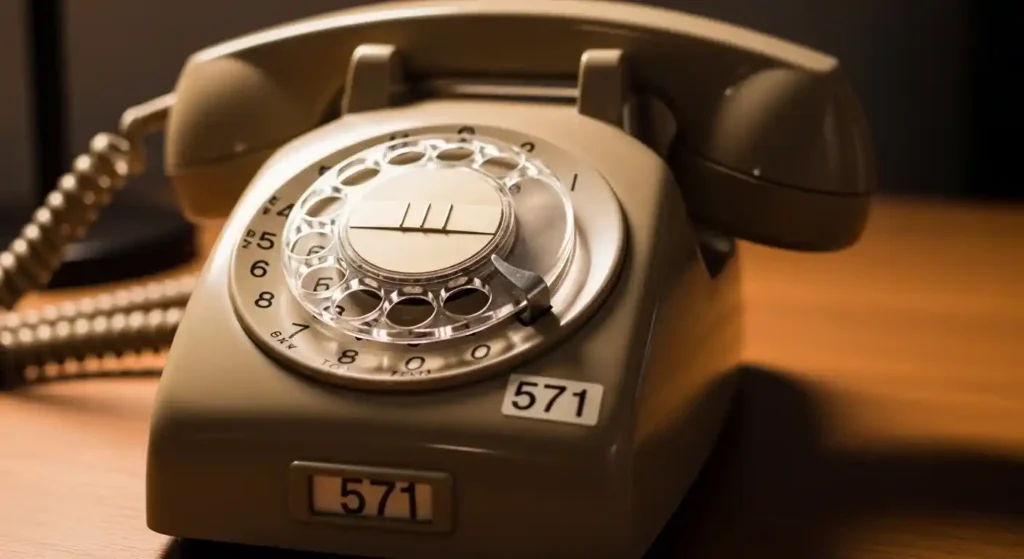
If you’ve ever received a call from an unfamiliar number starting with 571, you’re not alone. The 571 phone code is one of those area codes that leaves many people wondering — where is this call coming from, and should I answer it? Whether you’re a Virginia local or someone trying to reach a contact in Northern Virginia, understanding this area code can save you a lot of confusion.
What Is the 571 Phone Code and Where Is It Used?
The 571 area code serves Northern Virginia, one of the most densely populated and economically active regions in the entire United States. It was introduced in 2000 as an overlay for the existing 703 area code, which had been in use since 1947. As the region grew rapidly — thanks in large part to the tech industry, government contractors, and proximity to Washington D.C. — a new code became necessary to meet the demand for phone numbers.
Today, both 571 and 703 cover the same geographic area. This means two neighbors living on the same street could have completely different area codes.
Cities and areas covered include:
- Arlington
- Alexandria
- Fairfax
- Reston
- McLean
- Herndon
- Manassas
- Tysons Corner
- Falls Church
This region is home to major corporations, federal agencies, and some of the highest household incomes in the country, which explains why so many business calls originate from this code.
How Overlay Area Codes Like 571 Work
An overlay area code shares the same geographic region as an existing code rather than splitting territory. Before 571 existed, everyone in Northern Virginia had a 703 number. Once the supply of available 703 numbers ran low, the FCC introduced 571 as an overlay solution.
This setup required residents to start dialing 10 digits for all local calls — even calls within the same neighborhood. Before overlays, you could dial just 7 digits to reach a local number. Now, dialing the full area code is mandatory.
Judith Giuliani: Life, Career, and Legacy Explored
Why Overlays Exist
The demand for phone numbers exploded in the late 1990s and 2000s because of:
- The rise of mobile phones
- Fax machines requiring dedicated lines
- Internet dial-up connections
- Business growth requiring multiple lines
Rather than reassigning numbers or redrawing geographic boundaries, overlays gave regulators a clean and practical solution. The 571 area code is a perfect example of this approach in action.
Is the 571 Area Code Associated With Scams?
Here’s the honest truth — any area code can be used by scammers. The 571 code is no different. Because it’s associated with a wealthy, business-heavy region, some robocallers and fraudsters spoof numbers with this prefix to appear more credible or local.
That said, most calls from 571 are completely legitimate. Government contractors, tech companies, law firms, and federal agencies all operate heavily out of Northern Virginia. So before you ignore a 571 call, consider whether you have any professional contacts in that area.
Red Flags to Watch For
- Unsolicited calls claiming you owe money
- Calls asking for your Social Security number
- High-pressure tactics to act immediately
- Robotic or pre-recorded voices with no option to speak to a human
If a call feels suspicious, hang up and look up the number independently. Never call back a number that demands urgency without verification.
Pros and Cons of the 571 Area Code System
Understanding both sides of the overlay system helps put things in perspective.
Pros:
- Provides a large pool of new phone numbers without geographic disruption
- Businesses and residents keep their existing numbers
- Supports rapid population and business growth
- Works seamlessly with modern phone systems
Cons:
- Requires 10-digit dialing for all calls, even local ones
- Can cause confusion for people unfamiliar with overlays
- Makes it harder to identify a caller’s location by area code alone
- Increases potential for number spoofing and scam calls
Common Mistakes People Make With the 571 Area Code
Even people who live in Northern Virginia sometimes make avoidable mistakes when dealing with this area code. Here are the most frequent ones.
Dialing only 7 digits. Since 571 is an overlay, you must always dial all 10 digits — area code included. Dialing just the 7-digit number will not connect your call.
Assuming all 571 calls are local. Calls can be forwarded, routed through VoIP services, or spoofed. A 571 number doesn’t always mean the person is physically in Virginia.
Blocking the entire area code. Some people get frustrated with spam calls and block the whole 571 prefix. This can cause you to miss important calls from doctors, employers, or government agencies operating out of Northern Virginia.
Confusing 571 with 517. These two codes look similar but serve completely different regions. 517 covers mid-Michigan, including Lansing. Double-check before you dial.
Best Practices When Dealing With 571 Numbers
Whether you’re receiving calls or making them, a few smart habits go a long way.
For incoming calls:
- Use a reverse phone lookup tool to identify unknown numbers before calling back
- Register on the National Do Not Call Registry to reduce unwanted telemarketing
- Enable your carrier’s spam detection features — most major carriers offer this for free
- Don’t share personal or financial information with unverified callers
For outgoing calls:
- Always dial the full 10-digit number, including the 571 prefix
- Save contacts with their full number to avoid dialing errors
- If you’re a business calling from a 571 number, make sure your caller ID is properly configured so recipients recognize your brand
For businesses operating with a 571 number:
- Use a professional voicemail greeting that identifies your company clearly
- Consider a toll-free number as a supplement if your customer base extends beyond Northern Virginia
- Monitor your number to ensure it hasn’t been flagged as spam by telecom carriers
Real-World Example: Why 571 Numbers Matter for Businesses
Imagine you run a tech consulting firm based in Reston, Virginia. Your outbound calls come from a 571 number. A potential client in Chicago sees an unfamiliar area code and hesitates to answer. That hesitation could cost you a contract.
This is why many Northern Virginia businesses pair their 571 local number with a branded toll-free number or a well-known vanity number. It builds trust immediately, even before the conversation starts. The 571 code carries legitimacy and regional recognition, especially in D.C.-area business circles — but outside the region, it may need a little extra context.
Conclusion
The 571 phone code is a legitimate and widely used area code serving Northern Virginia, including some of the most influential cities near Washington D.C. It was created as an overlay to 703 to accommodate the region’s explosive growth in population and business activity. While it’s occasionally misused by bad actors for spoofing, the vast majority of calls from 571 numbers come from real people, real businesses, and real government entities.
Understanding how it works, staying aware of scam patterns, and following smart dialing practices will help you navigate 571 calls with confidence. Whether you’re receiving calls or building a business presence in the region, knowing the basics of this area code gives you a real advantage.
Frequently Asked Questions
1. What state is the 571 area code located in?
The 571 area code is located in Virginia, specifically serving the Northern Virginia region near Washington D.C.
2. Is 571 the same coverage area as 703?
Yes. Both 571 and 703 cover the same geographic region. They operate as overlay codes, meaning they serve the same cities and communities.
3. Why do I need to dial 10 digits for a local 571 call?
Because 571 is an overlay code sharing the same area as 703, all calls — even local ones — require the full 10-digit number to route correctly.
4. Can scammers use the 571 area code?
Yes, scammers can spoof any area code including 571. Always verify unfamiliar callers independently and never share personal information without confirmation.
5. How do I find out who called me from a 571 number?
You can use a free reverse phone lookup service online. Enter the full 10-digit number and the tool will often identify the caller’s name, location, and whether the number has been flagged for spam.